Key takeaways
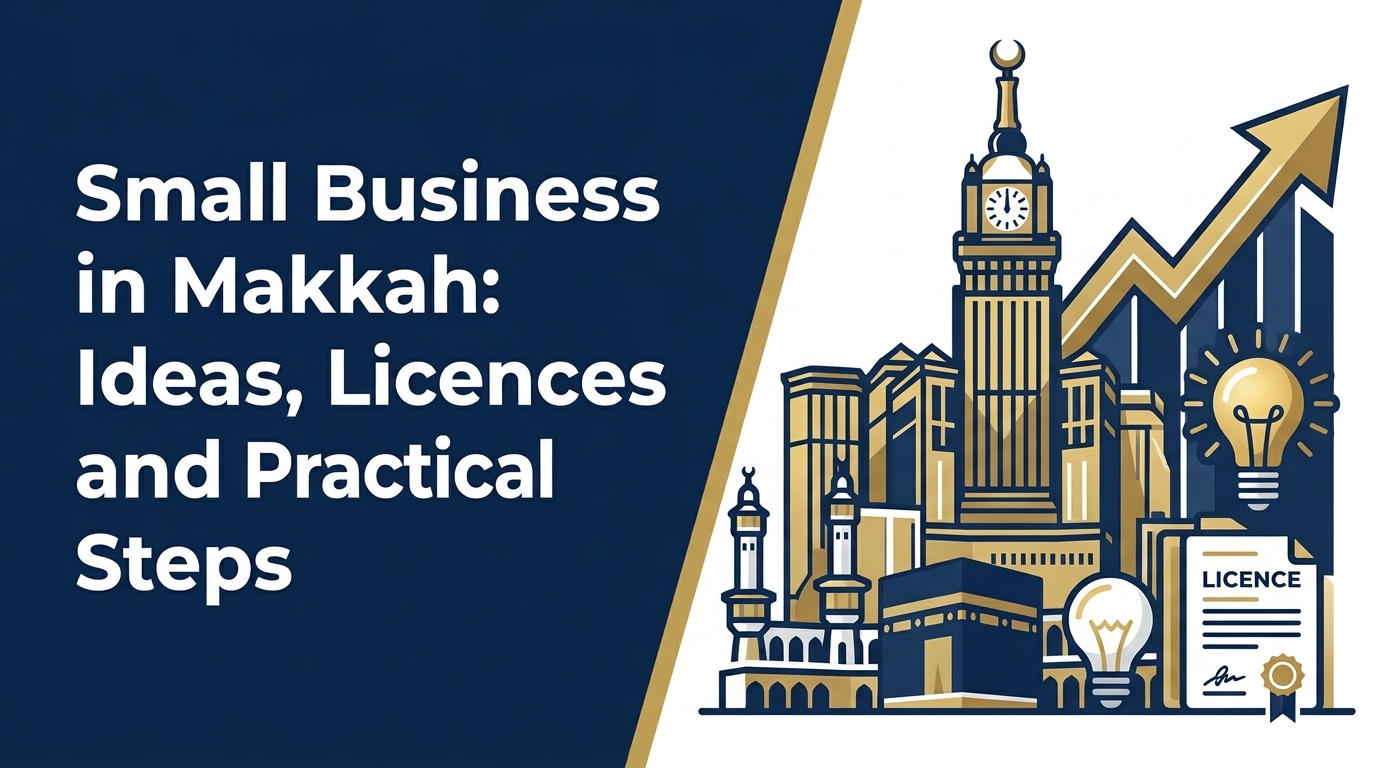
- A small business in Makkah works best when it solves an everyday need close to where people live, work or stay: food, groceries, repairs, cleaning, delivery and professional services.
- Most businesses start with a Commercial Registration (CR) from the Ministry of Commerce, issued through the Saudi Business Center (business.sa). A business with a physical location generally also needs a municipal licence through Balady.
- Foreign investors usually need an investment licence from the Ministry of Investment (MISA) before the CR.
- Plan every recurring cost before you commit: rent, salaries, stock, utilities, maintenance and marketing.
- Verify requirements on official portals before you apply, because they differ by activity, premises and ownership.
Why small businesses matter in Makkah
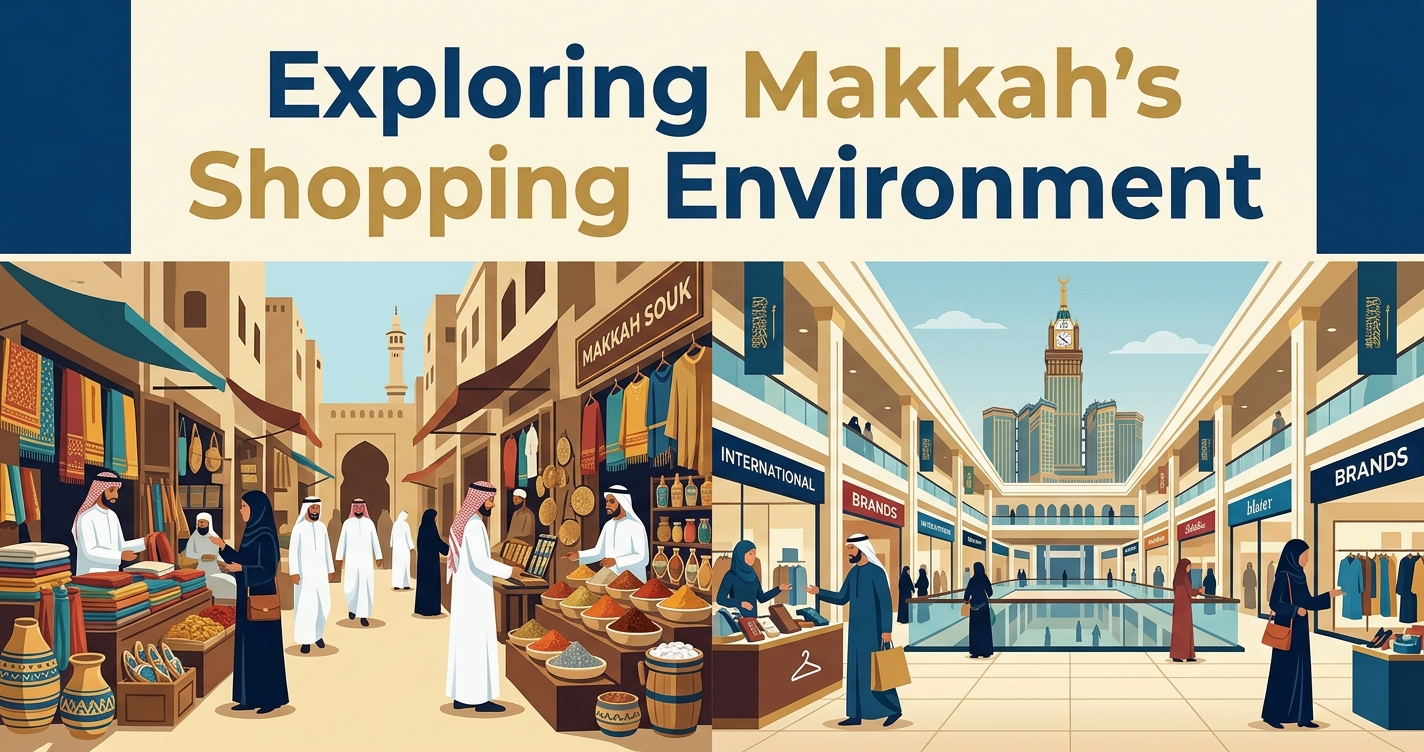
When people think about business in Makkah, they often picture large hotels, shopping centres and companies serving pilgrims. A small business in Makkah is just as important to everyday life. Groceries, bakeries, cafés, tailors, mobile repair shops, cleaning services and neighbourhood restaurants help residents run their daily routines.
Their biggest advantage is convenience. Customers buy what they need close to home and build a familiar relationship with the shopkeeper. A street with a mix of shops and services also becomes a destination for the surrounding neighbourhood, which creates openings for local entrepreneurs who want to serve a specific community.
What types of small business work well in Makkah?
The strongest opportunities are in everyday-need businesses: food and hospitality, neighbourhood retail, and service-based companies. Residents, workers and visitors all create steady demand for these categories.
Food and hospitality
People need convenient meals throughout the day, so restaurants, cafés, bakeries, juice shops and takeaway outlets can serve residents, workers and visitors alike. The variety of people living in and visiting Makkah also supports different cuisines, including Saudi, South Asian, Middle Eastern and international menus.
A new food business can start with a focused menu instead of offering everything. Quality, cleanliness, fair prices and consistent service build trust. Delivery adds reach, especially for people who prefer to eat at home or in their accommodation.
Neighbourhood retail and repair
Grocery stores, tailoring shops, mobile repair outlets and similar shops succeed on location and familiarity. Choose premises near residential buildings and main streets, and stock what your immediate neighbours actually buy.
Service-based businesses
Not every business needs a shop. Digital marketing, graphic design, translation, cleaning, maintenance, delivery and professional consultancy can all meet real needs. Some run fully online, while others need a physical presence.
Start by identifying a problem people face regularly, then build a service that solves it. For example, an organised cleaning company can serve residential buildings, offices and accommodation providers, and a translation business can support companies that deal with international customers.

What licences do you need to start a small business in Makkah?
Most small businesses need a Commercial Registration (CR) from the Ministry of Commerce, and a municipal licence from Balady if they operate from a physical location. Foreign investors typically obtain a MISA licence first. Exact requirements vary by activity, so always confirm on the official portals.
- Choose your activity and structure. Decide what you will sell or offer, and whether you will operate alone or as a company.
- Foreign owners: obtain a MISA licence. The Ministry of Investment licence usually comes before registration with the Ministry of Commerce.
- Register your business and get a CR. Apply through the Saudi Business Center at business.sa, operated with the Ministry of Commerce.
- Get a municipal licence (physical premises). Apply through the Balady platform, which needs your CR and details of your premises.
- Check activity-specific approvals. Food, health, tourism and some service activities can have extra requirements.
- Complete employer and tax registrations. Register with the relevant authorities for employees and VAT if they apply to you.
Requirements and fees change. Last checked: November 2026. Confirm current rules with the Ministry of Commerce, Balady and MISA before you apply.
How should you plan the finances of a small business?
List every recurring cost before you invest. A business that looks profitable on paper can struggle if its regular costs are too high. Include:
- Rent and deposits
- Employee salaries and government fees
- Equipment and initial stock
- Electricity, water and internet
- Maintenance and repairs
- Marketing and delivery-platform fees
Also research your customers and nearby competitors first. Confirm that people in your chosen area actually need your product or service. Monsha’at, the Small and Medium Enterprises General Authority, publishes support programmes for entrepreneurs.
How can a small business in Makkah reach customers online?
Use free and low-cost digital tools. A shop can show products and offers on social media and provide directions. A restaurant can use a digital menu and delivery platforms, and a service provider can take enquiries online.
- Claim your Google Business Profile with accurate hours, photos, phone number and map pin.
- Publish information in more than one language. Arabic and English at minimum, because Makkah serves international visitors.
- Accept digital payments and keep records with basic accounting software, so you know which products sell and where the money goes.
How do you build long-term customer relationships?
A successful small business does not depend on opening day or promotions. It grows when customers return because they trust the service. Listen to feedback, resolve complaints politely, keep quality consistent and treat every customer with respect. Small improvements, such as better packaging or faster service, make a noticeable difference.
Quick launch checklist
Step | What to do | Where |
Validate | Confirm demand and study competitors in your area | Site visits, customer conversations |
Register | Obtain CR (and MISA licence if foreign-owned) | business.sa, Ministry of Commerce, MISA |
Licence | Apply for municipal licence if you have premises | Balady |
Budget | Cost every recurring expense | Your spreadsheet or accounting software |
Launch online | Set up Google Business Profile, social pages, menu | Google, social platforms |
Improve | Collect feedback and refine | Reviews, direct customer comments |
FAQ
Frequently Asked Questions
Foreign investors generally need an investment licence from MISA before registering with the Ministry of Commerce. Rules depend on the activity and ownership structure, so check with the authorities or a licensed adviser.
It depends on the activity, premises and legal form. Plan for registration and licence fees, rent, stock, salaries, utilities and marketing, and check current fees on the official portals.
Not always. Many service businesses, such as design, translation and consulting, can operate online. Businesses that serve customers from a fixed location generally need a municipal licence.
Yes. Most businesses need a Commercial Registration from the Ministry of Commerce, and businesses with a physical location generally also need a municipal licence through Balady. Some activities need additional approvals.
Food and hospitality (restaurants, cafés, bakeries, takeaway), everyday retail (groceries, tailoring, mobile repair) and services (cleaning, delivery, translation, digital marketing) all serve steady daily needs.
Manahil Farooq or Manoo, transform complex local knowledge into clear, compelling articles for businesses focused on Saudi Arabia. Her specialty? Writing about the dynamic sectors of Jeddah and Riyadh, from top company analysis to the intricate details of relocation and housing. She believe great articles should feel like the ultimate, most helpful guide.if you need help let’s connect.